KVITKA LILI · Swelling, weight & veins
Swelling & Body Balance
Work towards less puffiness and more ease in the way you move.
 New practices every 10 days
 Seasonal food guidance every month
Kyo–Jitsu Body Reading
Before your first practice, answer 60 questions in the Kvitka Lili app.
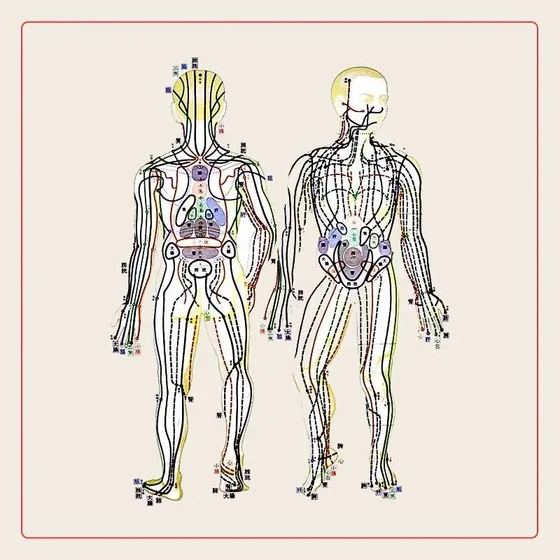
In the Japanese Kyo–Jitsu approach, one meridian may benefit from gentle support (Kyo), while another may call for easing tension (Jitsu). Your answers help you choose a practice that fits how you feel today.
I created this self-check for Kvitka Lili using the Japanese Kyo–Jitsu approach to meridian therapy. I wrote the questionnaire myself and tried it with patients in my clinical practice.
Your results also guide food choices
You’ll find seasonal food recommendations in the app, organised around the same Kyo–Jitsu patterns. Use the same results to find both the practices and the food guidance for each pattern.
When to take it again
If you’ve been very cold, under significant stress or recently unwell, take the self-check again once you’re ready to resume. Your answers may change as your symptoms change, and a different set of meridians may be the starting point for your next practice.
What you’ll get
- Practices for swelling in different parts of the bodyGuided movement and self-massage for a puffy face, swollen hands, or heavy legs and tight ankles. I’ll show you what to notice afterwards, such as whether your rings feel less tight or walking feels easier.
- Weight changes and DampnessIf your weight goes up alongside puffiness, bloating or a feeling of heaviness, I’ll explain how East Asian medicine understands this combination of signs through a traditional pattern called Dampness and how it informs the practices and food guidance I share.
- Kyo–Jitsu Body ReadingBefore your first practice, take the short self-check in the app. I wrote the questions myself using the Japanese Kyo–Jitsu approach and tested them in my clinical work. Your result shows which meridians to gently support (Kyo) and where to focus on releasing tension (Jitsu). Use the same result to choose a practice and explore the seasonal food recommendations that go with it. You can take it again when how you feel changes after illness, stress or prolonged exposure to cold.
- Seasonal food guidance every monthExplore seasonal food recommendations in the app.
You can open any practice video from the app to watch on a larger screen. Every video will have subtitles in the same nine languages as the app and website.
Who is this practice for?
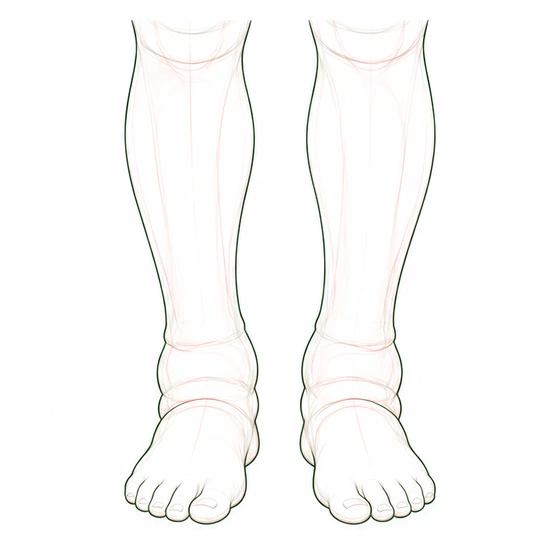
- Your legs or ankles have been swollen for more than two weeks.
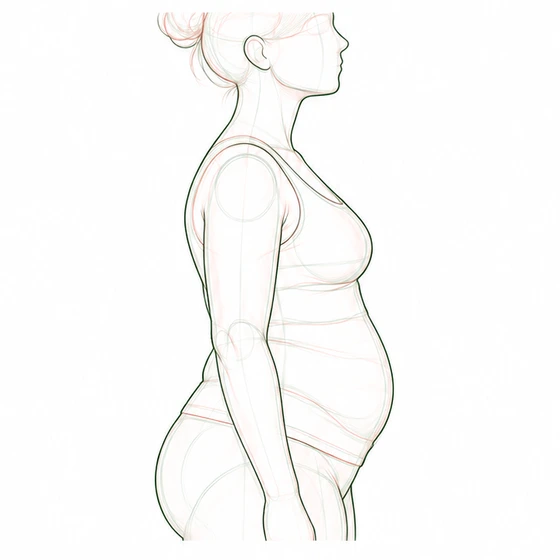
- Your weight is going up even though you stay active and eat as you normally do.
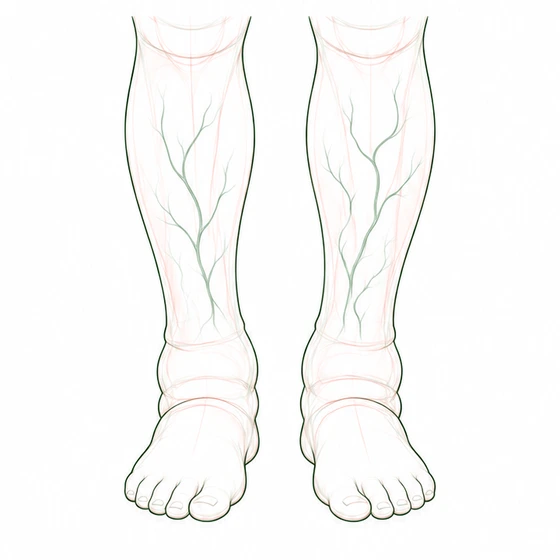
- The veins in your legs stick out and the area aches, even though your doctor found nothing concerning on the ultrasound.
If these symptoms are new, unexplained or getting worse, check in with your doctor before starting.
One-time payment
Website prices are 30% lower than the same access in the App Store or Google Play.
What’s included
- Guided video practices for this focus
- New practices every 10 days
- Seasonal food guidance every month
How East Asian medicine connects these concerns
Puffy ankles, heavy legs and changes in weight can show up together. In East Asian medicine, heaviness, puffiness and bloating can be part of a pattern called Dampness. The traditional Spleen and Kidney systems are two ways practitioners think about how the body handles fluids. Fluid retention can affect your weight, while changes in body fat are a separate issue.
When there is a fixed ache or a feeling of stagnation, a practitioner may also consider a traditional pattern called Blood Stasis. Varicose veins can contribute to swelling and heaviness in the legs. A healthcare professional can assess the veins themselves and the cause of the swelling.
Still aching after a vein check?
In my acupuncture practice, I start by asking where it hurts and what it feels like. Swelling around the ankle can feel tight or heavy. A tense calf can feel like a deeper ache or pull, and a cramp can make the muscle tighten suddenly. These sensations can overlap. If your doctor has cleared you for gentle movement, I start with comfortable foot and ankle movements. They engage the calf muscles, which help move blood back up the legs.
About this program
Created by Lili Yavorska, licensed acupuncturist. These practices support everyday self-care and do not replace medical advice or treatment.
A gentle note
Practices are educational and supportive. They do not replace medical advice, diagnosis or treatment. Individual experiences vary.
Seek urgent medical care for sudden leg swelling, especially on one side or with pain, redness or warmth. The self-check guides practice choices and cannot assess vein problems. Healthdirect guidance on swelling.