KVITKA LILI · Face · body · posture
Gua Sha & Posture and Mind
An easier-moving jaw, less tension in your shoulders and more freedom to move.
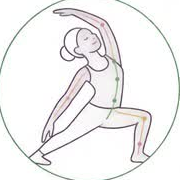 New practices every 10 days
 Seasonal food guidance every month
What would you like to work on?
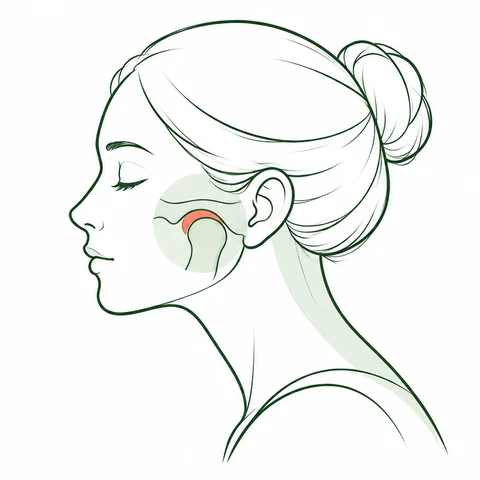
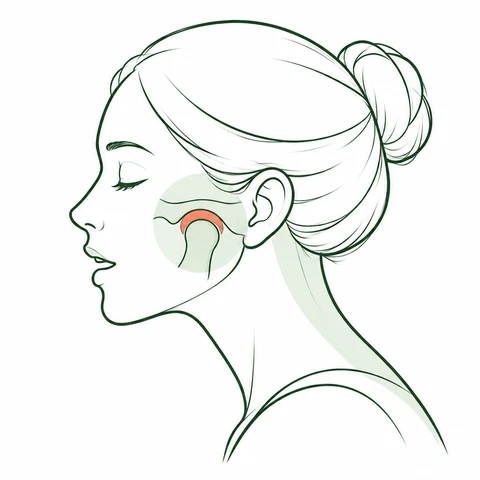
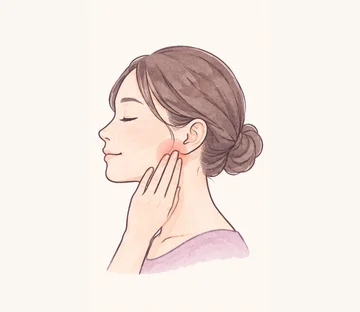 Jaw pain
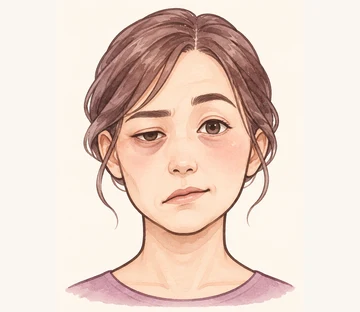 Facial asymmetry
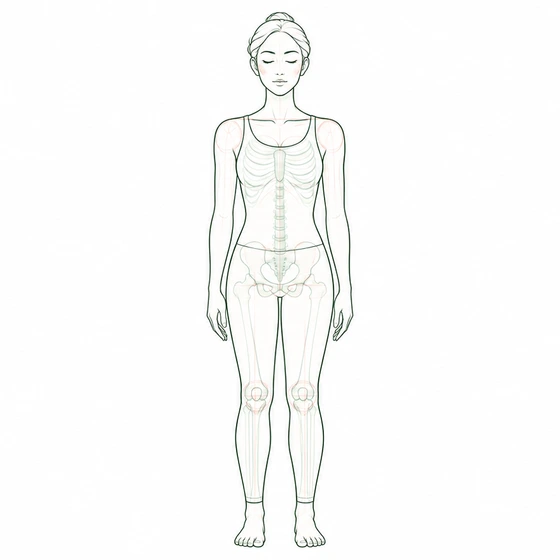
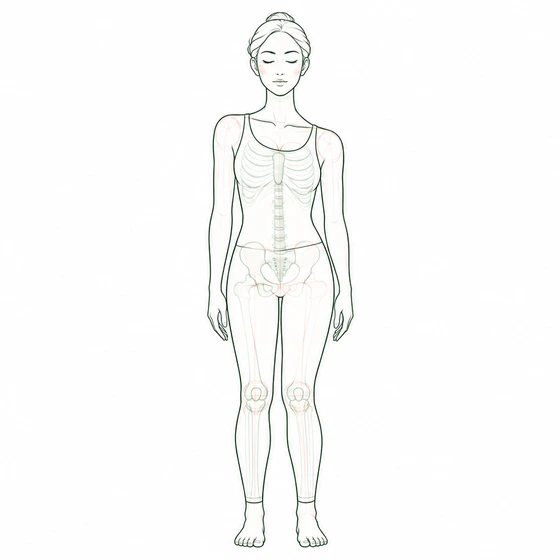
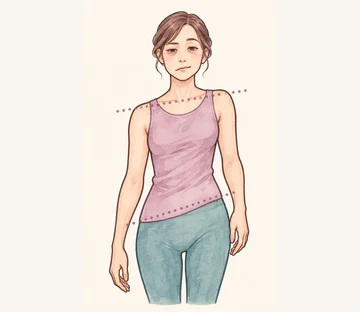 Body asymmetry
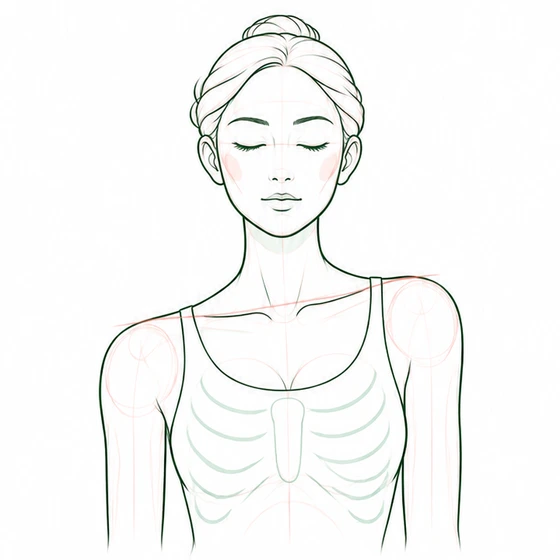
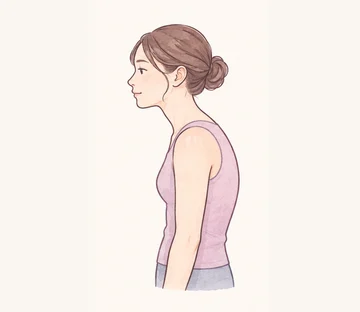 Rounded shoulders
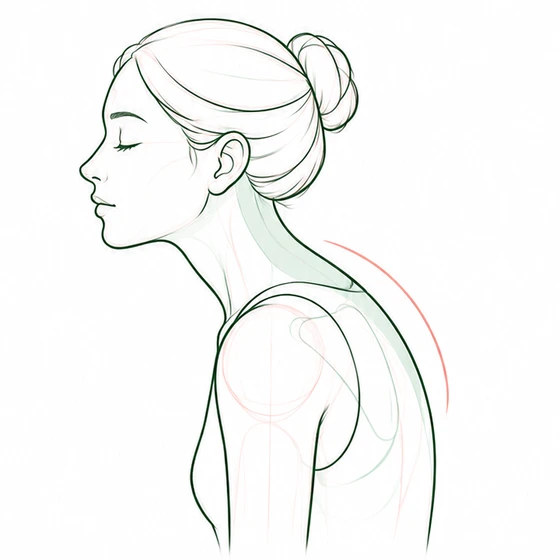
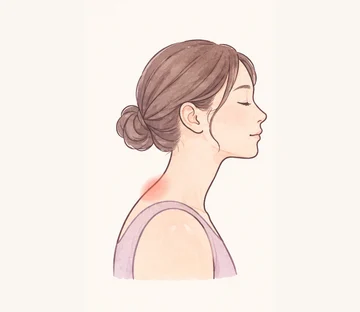 Hump at the base of the neck
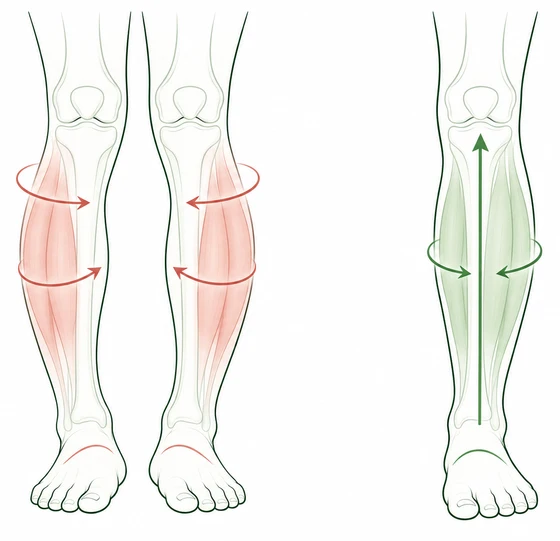
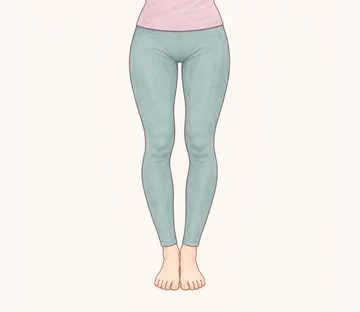 Bow legs
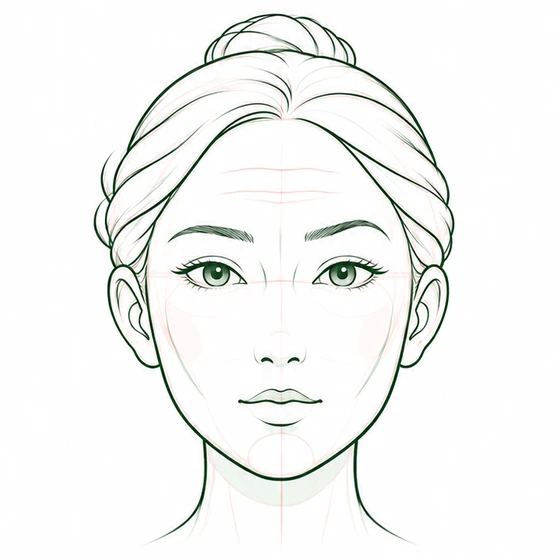
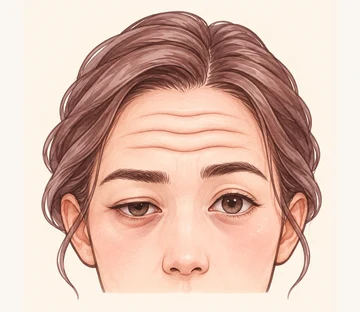 Deep forehead lines
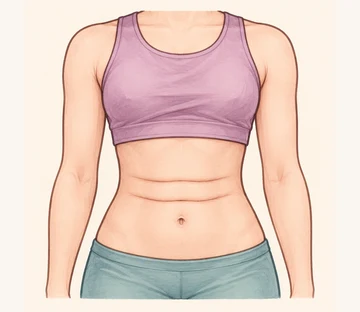 Deep creases at the waist
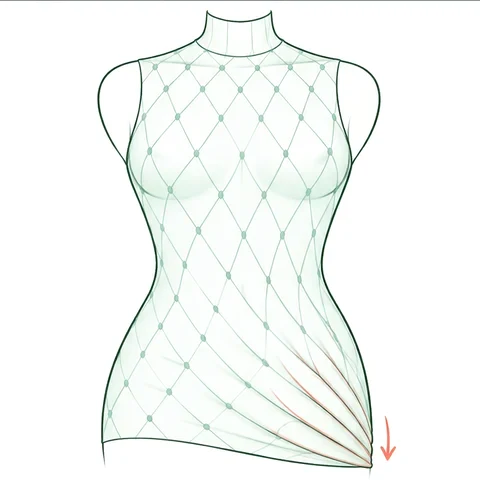
How fascia affects movement
Fascia is the connective tissue that surrounds and supports your muscles and other structures. When fascia becomes tight, less flexible or inflamed, it can contribute to pain, stiffness and restricted movement.
If you notice deep forehead lines or pronounced creases at the waist, we explore how those areas move using gentle self-massage and guided movement.
What you’ll get
- Jaw tension and face or body asymmetryIf your jaw hurts or one side feels tighter, we’ll work with your whole body. You’ll explore how your jaw responds when you move your neck, ribs, shoulders and hips.
- Fascial release and dynamic movementI’ll guide you through gentle fascial release, gua sha, dynamic qigong, Japanese meridian practices and Tibetan movement practices. You’ll learn where each method comes from, how much pressure to use and when to ease off.
- Guided sessions of 10–20 minutesPractise step by step and notice what feels easier afterwards.
- A monthly lesson and seasonal food guidanceLearn more about how your body moves and get food recommendations that complement the practices.
You can open any practice video from the app to watch on a larger screen. Every video will have subtitles in the same nine languages as the app and website.
One-time payment
Website prices are 30% lower than the same access in the App Store or Google Play.
What’s included
- Guided video practices for this focus
- New practices every 10 days
- Seasonal food guidance every month
Learn to understand your body
I’ll share how East Asian medicine looks at the body as a whole and what I observe in my work with patients. I’ll sometimes share my own experience, too. Even two people with similar jaw pain can respond differently to the same movement.
In Kvitka Lili, I bring together qigong, gua sha, Japanese meridian practices and Tibetan practices. I’ll show you how to do each practice, where it comes from and why I’ve included it. We start with comfortable movements and light touch, then build step by step, at a pace that feels right for you.
I want to teach you to understand your own body. As we practise, you’ll notice when you clench, how your neck and shoulders move, what feels easier afterwards and when to ease off. These observations help you decide where to begin, how much to do and when you’re ready for the next step.
Dynamic practices
Each session takes 10–20 minutes. New guided practices arrive every 10 days, so what you work on evolves throughout your access.
- Seasonal food guidance every monthI choose the recommendations to complement the practices we’re doing, with ideas for what to eat and how to prepare it for the season.
- One lecture each monthWe’ll look at how the body works and why we approach each practice the way we do.
What you’ll need for facial gua sha
Bring a gua sha tool if you have one. To get started, a clean ceramic soup spoon or the rounded rim of a small saucer will do. Ceramic spoons are among the traditional tools used for gua sha. Choose a smooth, unchipped edge and keep the pressure light on your face.
About this program
Created by Lili Yavorska, licensed acupuncturist. These practices support everyday self-care and do not replace medical advice or treatment.
A gentle note
Practices are educational and supportive. They do not replace medical advice, diagnosis or treatment. Individual experiences vary.